Reconnaissance Art
Glueing the world together, peace by peace
Galleries
I really should get more sleep.


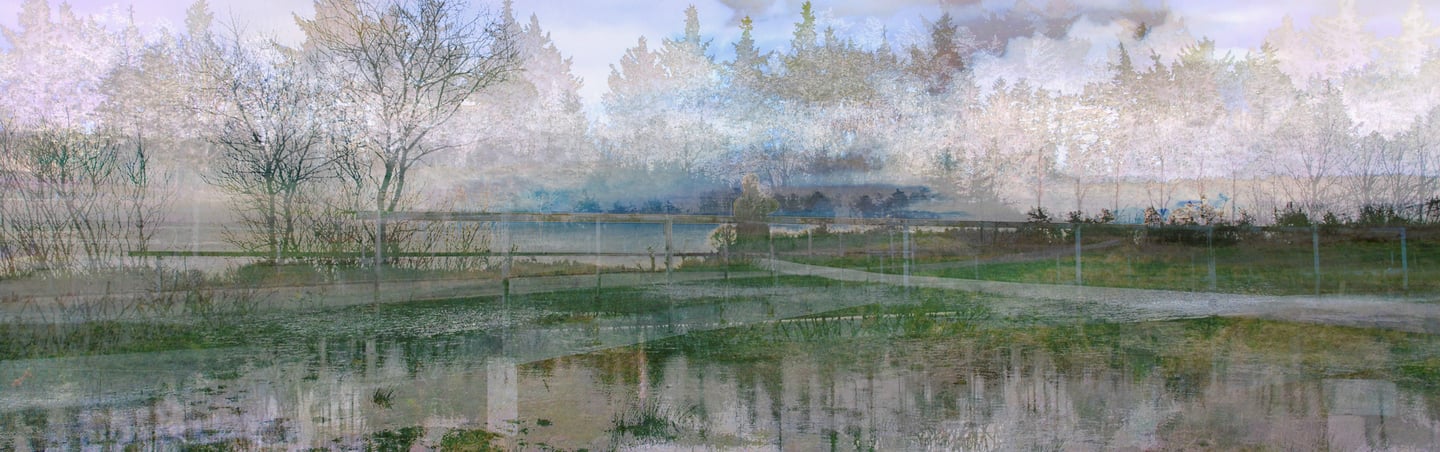
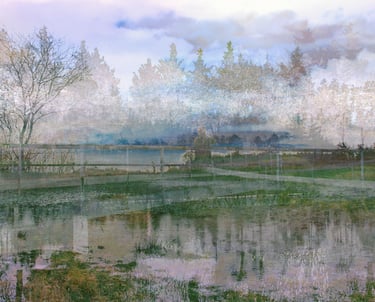
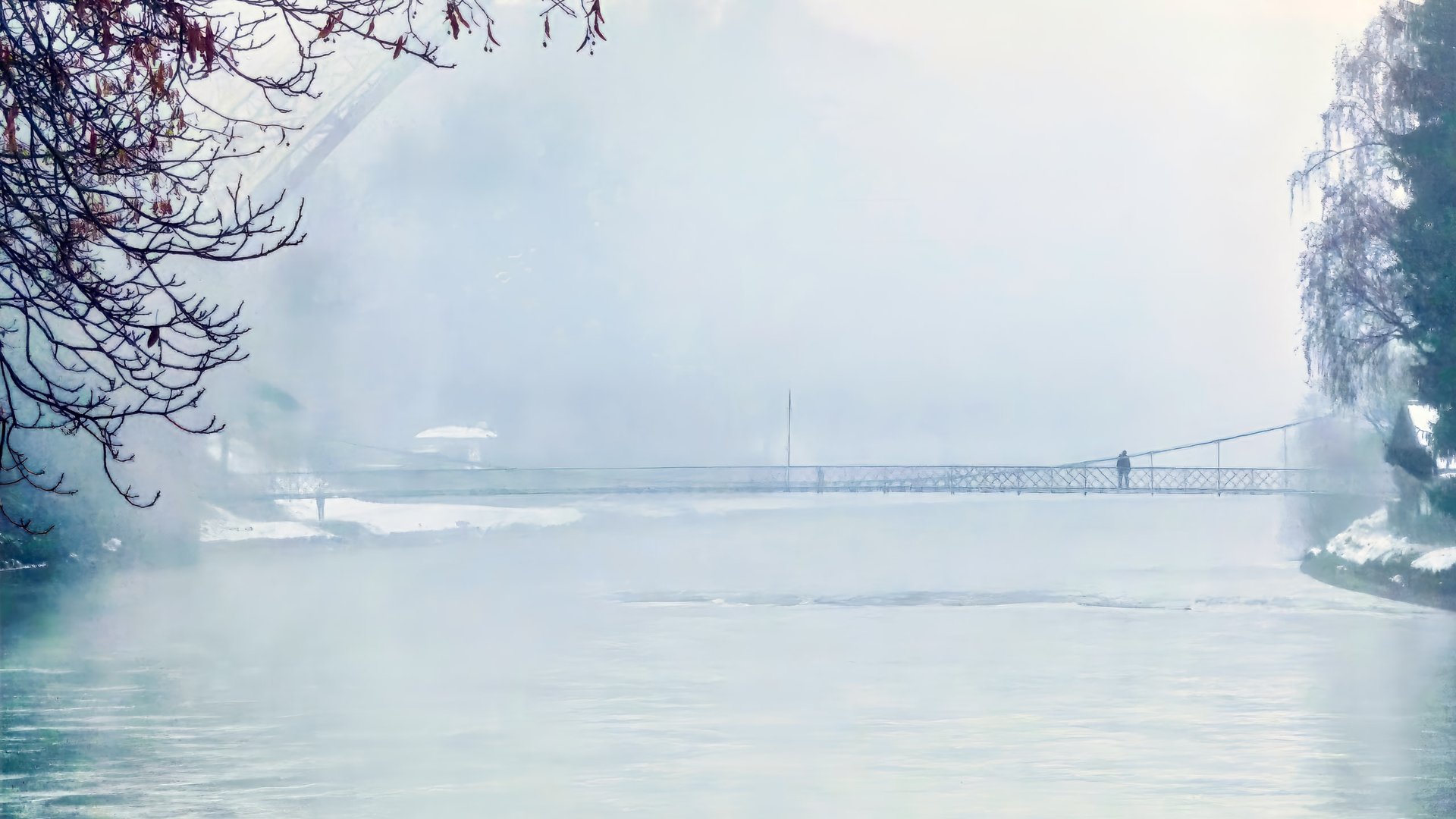
Photography & mixed media
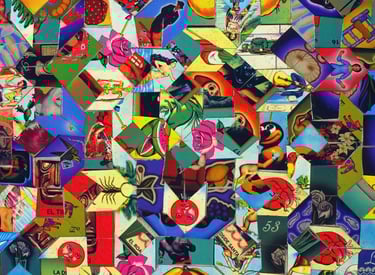
Textures and shapes catch my eye and I bring their colors to life with layering and post-processing.
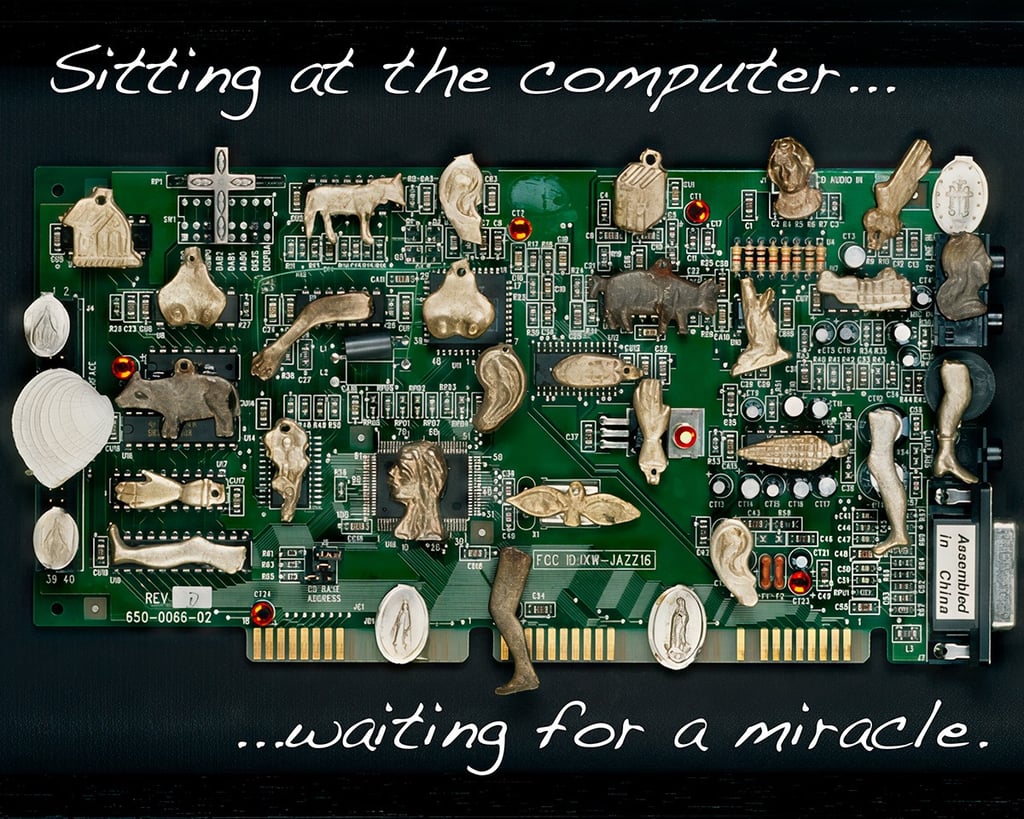
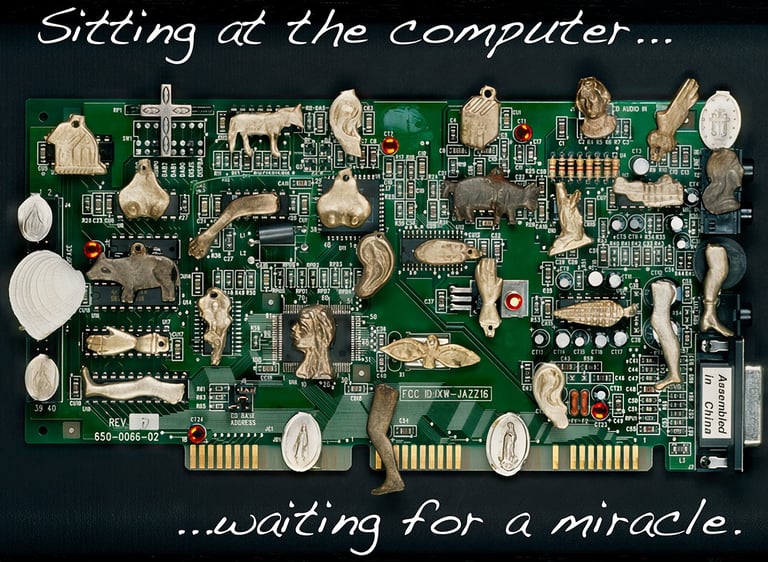
Assemblages
For as long as I remember, I've collected odd objects and glued things to other things. Few activities make me as happy.
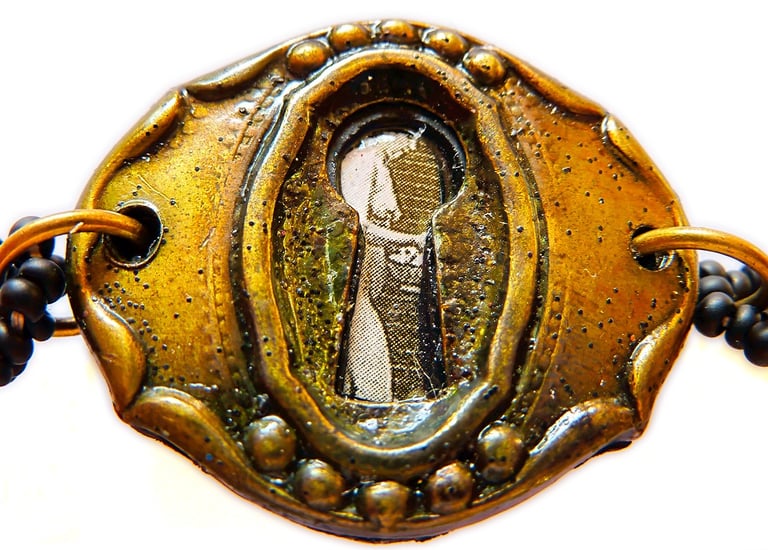
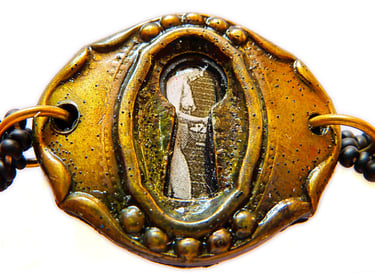

Jewelry
Furniture
I like making old furniture new again, with paper or glass-on-paper collage, playing with pattern and color.
My wearables are like my assemblages—though they are smaller, they all still tell stories.
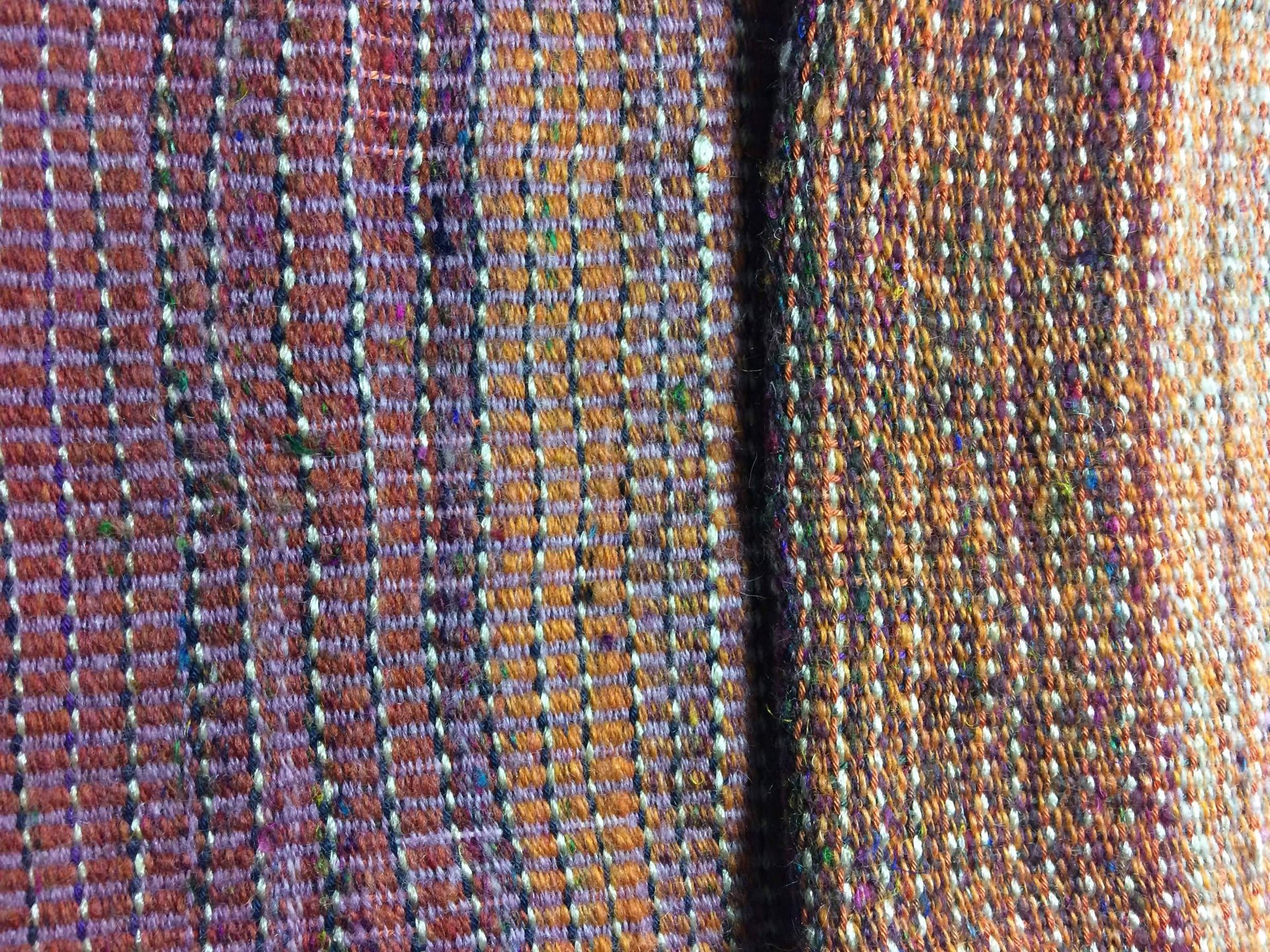
Weaving
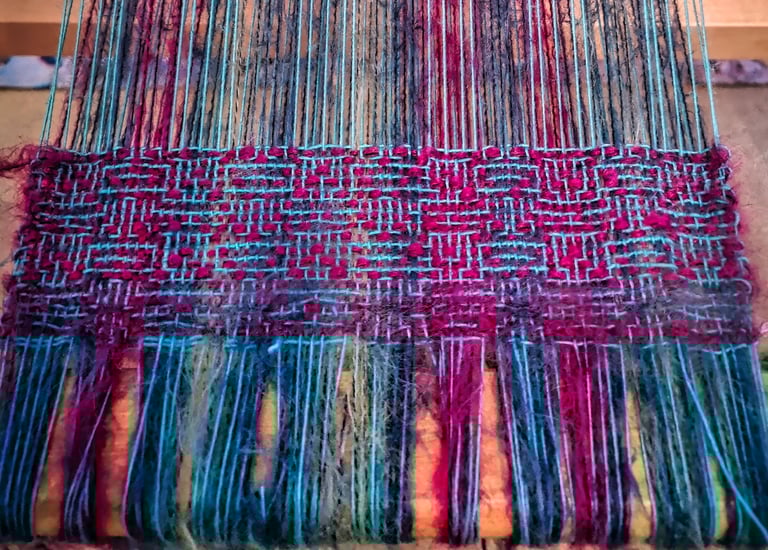
I'm a reasonably practiced hand weaver, but table looms are new to me. I love the textures, colors, and patterns of the yarns.
Experience
Though I grew up surrounded by art and artists, I'm mainly self-taught. If I'm interested in a technique, I buy a bunch of books and experiment until I feel I get the result I want. I'm as restless an artist as I am an intellect: process attracts me far more than product. For weeks I'll be caught up in a beading project, and then I'll suddenly be distracted by paper collage or felting for months. I paint or draw at intervals, then pick up some new skill, like image transfer. In both my academic and artistic work, I'm a synthesist.